Quick answer: Ermi Tekstil manufactures bamboo clothing in Istanbul, Turkey, for brands and wholesale buyers: T-shirts, dresses, loungewear and activewear basics in bamboo jersey and bamboo blends, produced under your label with low minimum order quantities. Most "bamboo" fabric is regenerated viscose or lyocell made from bamboo pulp, and in the EU and US it must be labelled that way.
Bamboo clothing we manufacture
| Product | Typical fabric | Why brands choose it |
|---|---|---|
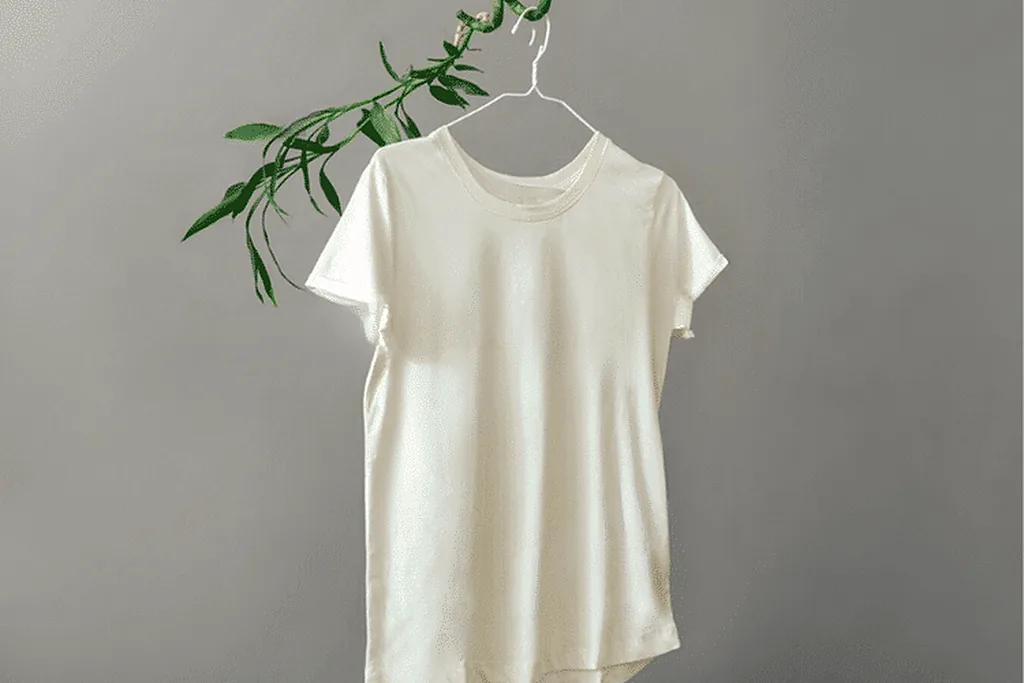
| T-shirts and tops | Bamboo viscose jersey, bamboo and cotton blends | Soft hand feel, drape, cool touch |
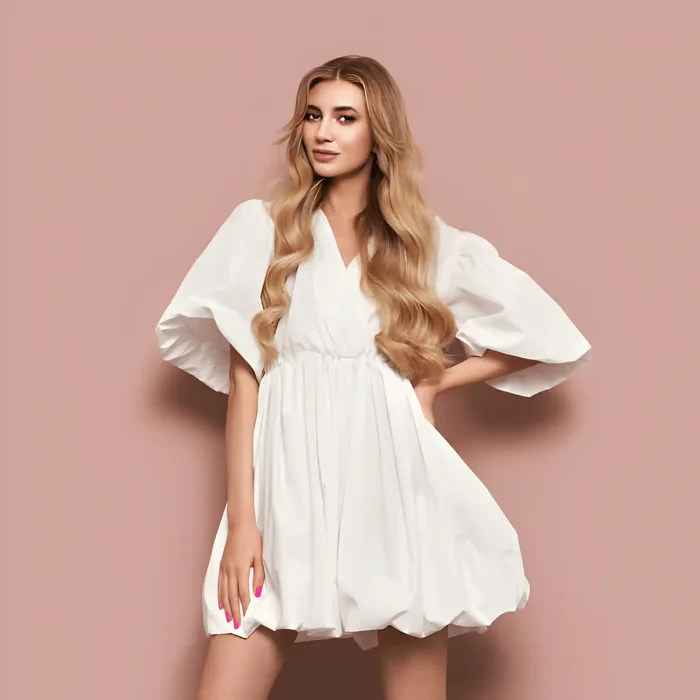
| Dresses | Bamboo viscose jersey and rib | Fluid drape for relaxed silhouettes |
| Loungewear | Bamboo jersey, bamboo and elastane blends | Comfort next to the skin |
| Activewear basics | Bamboo viscose blended with elastane | Stretch and softness for low-impact sport |
What bamboo fabric really is
Bamboo is a fast-growing plant, but very little clothing is woven from raw bamboo fibre. Almost all soft bamboo fabric is made by dissolving bamboo pulp and spinning it into a new, regenerated fibre. The process decides what the fibre is called and how it should be described.
| Fibre | How it is made | How to label it |
|---|---|---|
| Bamboo viscose (rayon) | Bamboo pulp dissolved with chemicals and spun into fibre; the most common bamboo fabric | "Viscose" in the EU; "rayon made from bamboo" in the US |
| Bamboo lyocell | Bamboo pulp dissolved in a solvent that is largely recovered in a closed loop | "Lyocell" |
| Mechanically processed bamboo | Bamboo fibres separated mechanically, similar to linen; rare and coarser | "Bamboo" may be used for this fibre |
The US Federal Trade Commission has fined retailers for labelling bamboo-derived rayon simply as "bamboo". In the EU, fibre names on labels must follow Regulation (EU) No 1007/2011, which uses "viscose" and "lyocell", not "bamboo". You can still tell customers the fibre is made from bamboo, for example "viscose (from bamboo)", as long as the fibre name itself is correct.
Benefits and honest limits of bamboo clothing
- Soft and smooth. Bamboo viscose jersey has a silky hand feel and drapes well.
- Breathable and absorbent. Like other viscose fibres, it absorbs moisture well and feels cool.
- Renewable raw material. Bamboo grows quickly; ask fabric suppliers for the pulp source and any FSC certification.
- Processing matters. Viscose processing uses chemicals, so the environmental profile depends on the mill. Lyocell and mills with recognised certifications are the stronger options.
- Avoid unproven claims. Antibacterial or UV-protection claims for bamboo viscose need test evidence for your actual fabric before you use them in marketing.
Wholesale and private label bamboo clothing
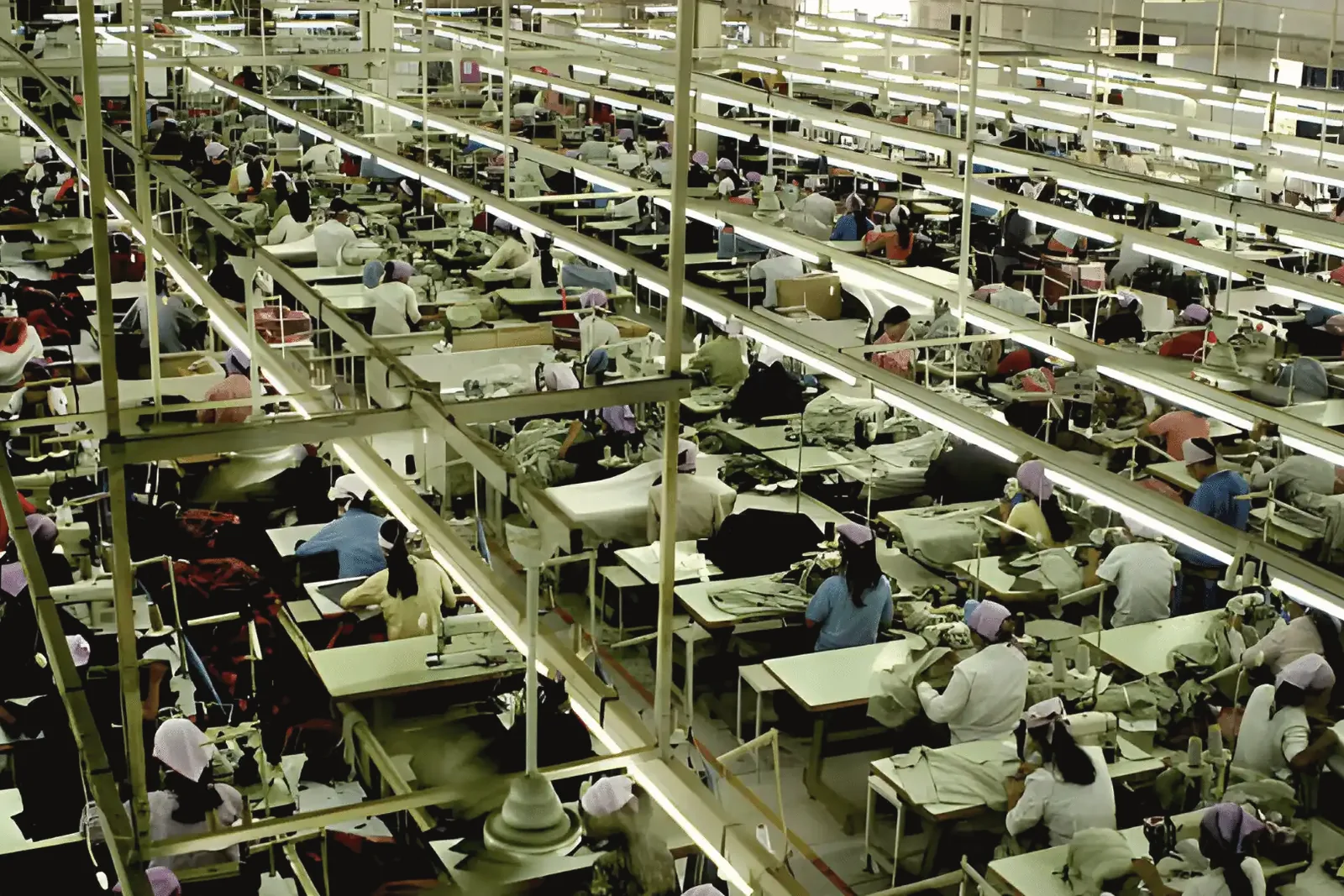
Retailers and brands order bamboo clothing from us in wholesale quantities, produced to order and finished with their own labels, tags and packaging. The process is the same as for our other private label clothing:
- You send designs or reference garments, quantities and target dates.
- We source bamboo fabric options, then send an estimated quotation and a sample.
- After sample approval, we confirm materials, colours, sizes and labels in a bulk order form.
- We produce, check, iron, pack and ship the order.
Minimums are agreed per style and colour and confirmed in writing with the quotation. Stock bamboo jerseys allow small first runs; custom colours carry the mill's minimum. Read our MOQ guide to plan a first order, and see sustainable clothing production for other lower-impact fabrics.
Sewing bamboo jersey well
Bamboo jersey is soft and slippery, so quality depends on handling:
- relaxing the fabric before cutting to limit shrinkage and twisting;
- using stretch stitches and twin-needle hems that recover with the fabric;
- stabilising shoulders and necklines so they keep their shape;
- wash-testing the sample and agreeing shrinkage tolerances before bulk.
Certificates to ask for
Certificates belong to the fabric and the supply chain, so ask for them with each fabric quotation and check the numbers in the issuing body's public database:
- OEKO-TEX STANDARD 100 for tested harmful substances in the fabric;
- FSC for responsibly sourced bamboo pulp;
- the fibre producer's own documentation for branded lyocell or viscose.
Why make bamboo clothing in Turkey
When a bamboo jersey is available from a supplier's stock, sampling is fast and first runs can stay small. Clothing of Turkish origin enters the EU duty-free with an A.TR certificate, and goods reach most of Europe by road. For regions, costs and duties, see our guide to clothing manufacturers in Turkey, or start from our home page as a clothing manufacturer in Turkey.
Frequently asked questions
Is bamboo clothing really made from bamboo?
Mostly from bamboo pulp, not raw bamboo fibre. The pulp is dissolved and spun into a regenerated fibre, usually viscose or lyocell, which is why the label shows those fibre names.
How should bamboo viscose be labelled in the EU and US?
In the EU the fibre name must be "viscose" (or "lyocell" for lyocell), under Regulation (EU) No 1007/2011. In the US the FTC requires terms such as "rayon made from bamboo". "Bamboo" alone is only correct for mechanically processed bamboo fibre.
Do you produce wholesale bamboo clothing?
Yes. We produce bamboo clothing to order in wholesale quantities for retailers and brands, under your label, with minimums agreed per style and colour.
Can you make bamboo activewear?
Yes, activewear basics in bamboo viscose blended with elastane for stretch. Tell us the activity and the fit you need, and we will suggest fabric options with the quotation.
Is bamboo clothing antibacterial?
Bamboo viscose does not reliably keep the natural properties of the bamboo plant. Use antibacterial claims only with laboratory test results for your specific fabric.