Quick answer: Clothing manufacturers in Turkey specialise by product. A dress workroom, a denim laundry and a hoodie line use different fabrics, machines and finishing, so the right factory depends on what you make before it depends on price. This guide lists seven Istanbul manufacturers, one for each major product group, with what each makes, how they compare and what to ask before you order.
How the list is built: it is ordered by product type, not ranked. Six of the manufacturers work in a single product group and one handles mixed collections, and each publishes its process, minimums and timings on its own site. Capacity, certificates and references are for each manufacturer to confirm, and the checks near the end of this guide apply to all seven.
If you want the wider picture first (regions, duties, paperwork and how to vet a supplier), start with our guide to clothing manufacturers in Turkey and come back here to pick a manufacturer.
Key facts
- The seven manufacturers in this guide are all based in Istanbul, and each covers a different product group.
- Product type comes first because Turkish clothing manufacturers build their lines around one fabric family and one set of machines.
- All seven state a first sample in 14 days and set the minimum order per style and colour, confirmed with the quotation.
- All seven produce private label: the buyer's brand, labels and packaging.
- The list is ordered by product type. It is not a ranking of the best clothing manufacturers in Turkey.
Seven manufacturers at a glance
Whether you search for Turkey clothing manufacturers, garment manufacturers or apparel manufacturers, the choice comes down to one question: who makes your product type well? This is the short list of clothing manufacturing companies in Turkey covered here, with the product each one is built for.
| Product group | What it makes | What decides the result | Manufacturer |
|---|---|---|---|
| Dresses and womenswear | Day, evening, bridal and occasion dresses, blouses, skirts, jumpsuits | Pattern, fit and how the fabric hangs | Dress Manufacturing |
| Hoodies and sweatshirts | Hoodies, sweatshirts, sweatpants, tracksuits | Fleece weight, shrinkage control, print and embroidery | Hoodie Manufacturing |
| Jeans and denim | Jeans, denim jackets, shirts, skirts and shorts | Denim sourcing, wash and hand finishing | Denim Manufacturing |
| T-shirts and polos | T-shirts, polo shirts, long sleeves, tank tops, kids' tees | Jersey weight, dyeing and print method | T Shirt Manufacturing |
| Activewear | Leggings, sports bras, gym and yoga wear, team kit | Stretch fabric, flat seams, opacity | Activewear Manufacturer |
| Uniforms and workwear | Hotel, restaurant, healthcare, security and industrial uniforms | Hard-wearing fabric, full size range, repeatable colour | Uniform Manufacturing |
| Full package, several categories | Mixed collections, private label and high volume programmes | One plan and one team across product types | Turkey Apparel |
Why does product type matter when you choose a manufacturer in Turkey?
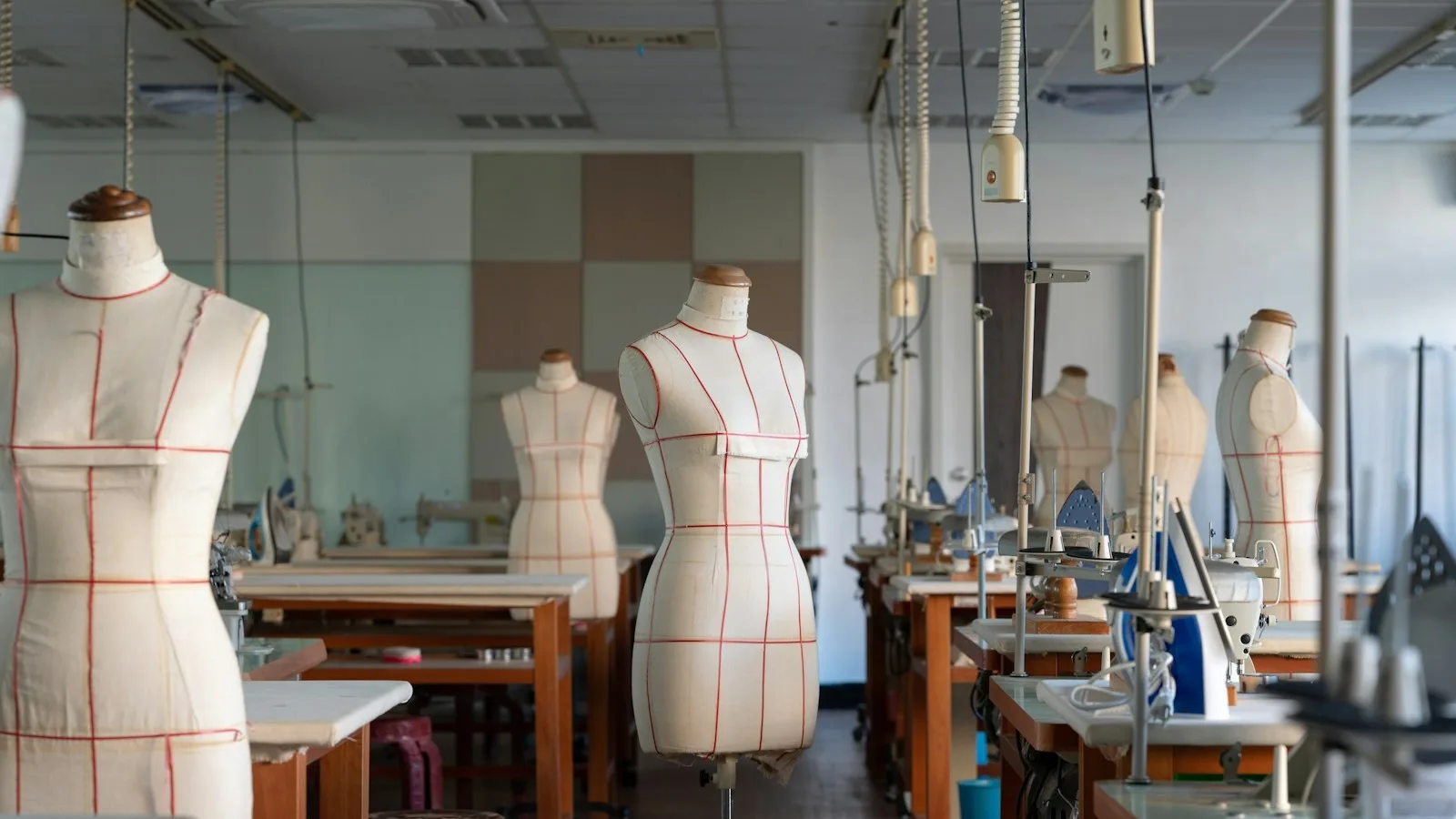
A garment factory is built around a fabric and a set of machines. Knit lines run overlock and coverstitch machines on jersey and fleece. Woven lines run lockstitch machines on fabrics that do not stretch and need pressing at every stage. Denim adds heavy-duty sewing and a laundry. Activewear adds flat seam machines and fabric that must be tested before it is cut.
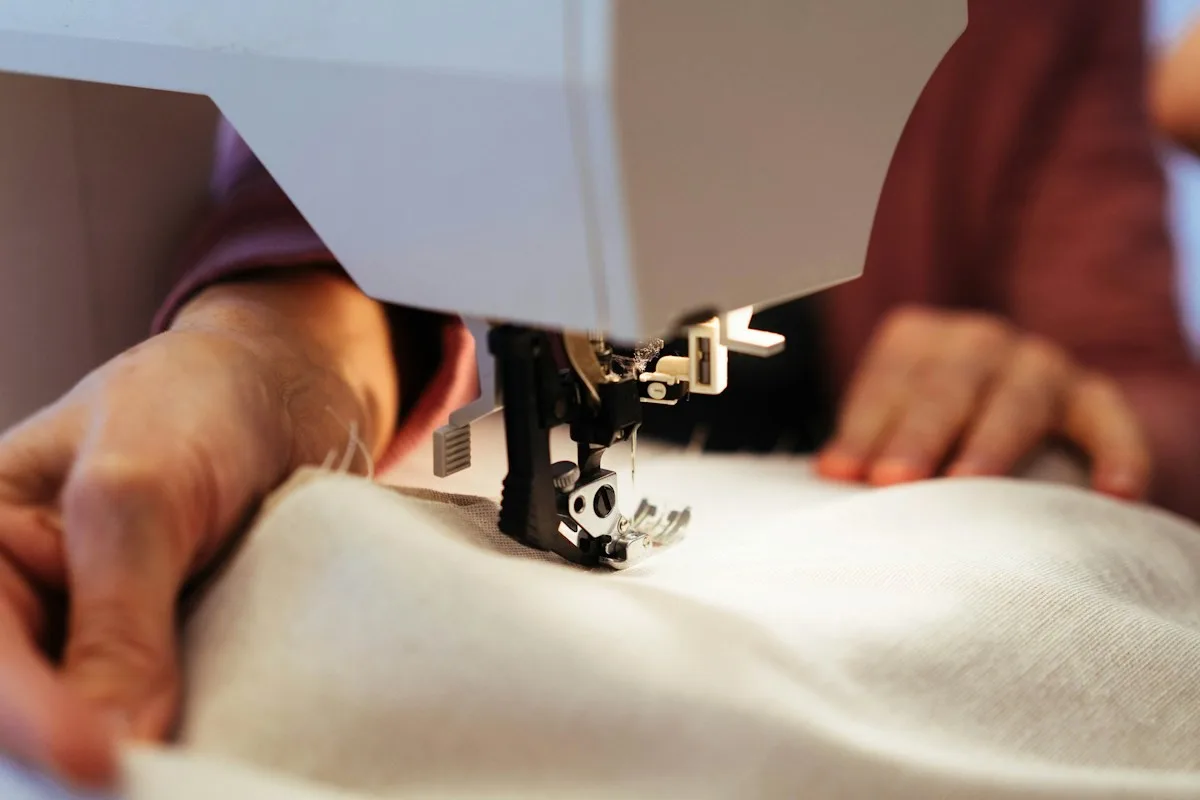
A manufacturer can take an order outside its group, and the usual result is a slower sample and a weaker finish. A specialist has already solved the problems of its product: it knows which fabrics behave, which suppliers deliver the trims and where the defects appear. That is the reason to choose by product first and compare prices second.
| Product group | Typical machines and processes | Common defect to watch for |
|---|---|---|
| Dresses and womenswear | Lockstitch sewing, pattern grading, pressing, hand finishing | Uneven hems, puckered seams, poor fit in larger sizes |
| Hoodies and sweatshirts | Overlock and coverstitch, rib attachment, print and embroidery | Twisted side seams, shrinkage, cracked prints |
| Jeans and denim | Heavy-duty sewing, bartacking, riveting, laundry, laser | Shade variation between batches, weak seams after washing |
| T-shirts and polos | Overlock and coverstitch, neck rib setting, printing | Stretched collars, colour difference between dye lots |
| Activewear | Flat seam and coverstitch on stretch fabric, sublimation | See-through fabric, seams that break under stretch |
| Uniforms and workwear | Lockstitch and overlock, embroidery, reinforced stitching | Colour drift between reorders, sizes that run differently |
1. Dress and womenswear manufacturers in Turkey
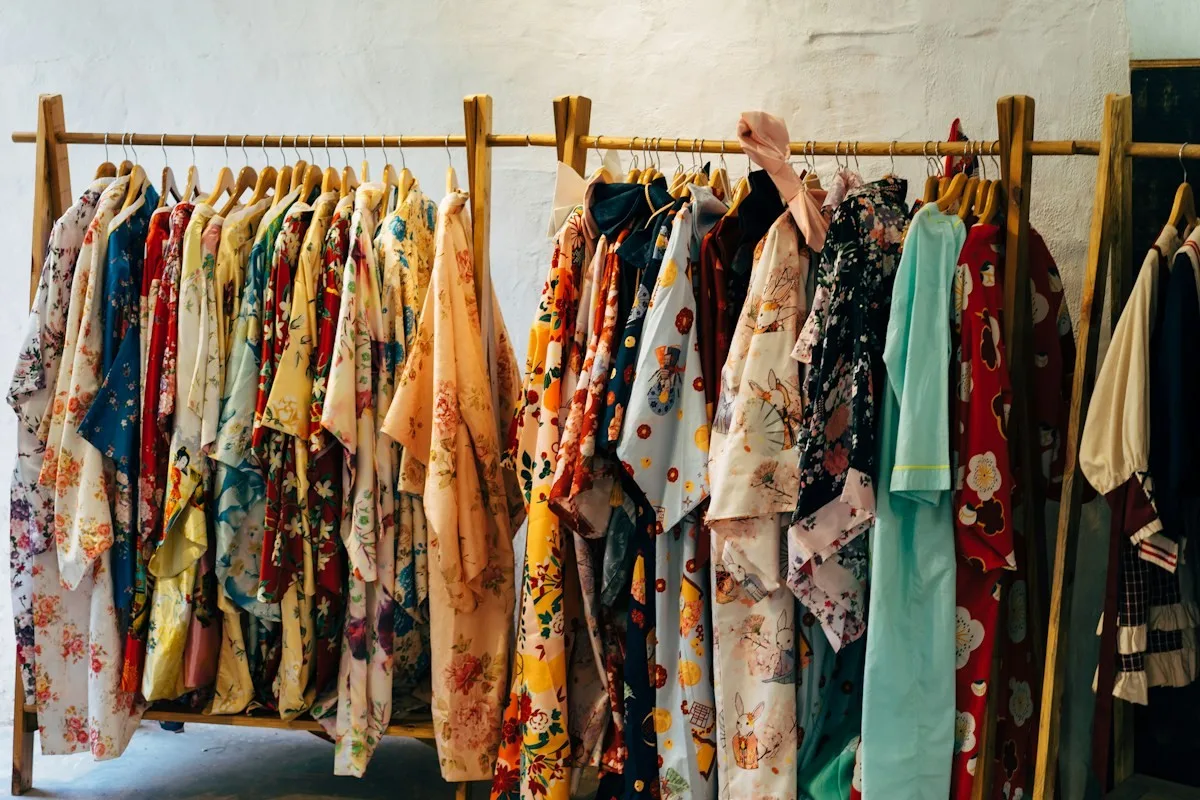
A dress is decided at the pattern table. Darts, linings, zips and the way a woven fabric hangs leave little room for error, and a size run that fits in a 36 has to fit in a 46 as well. Occasion wear adds lace placement, layered skirts and hand finishing, which is slower work than everyday styles.
Dress Manufacturing, based in Istanbul, makes women's clothing with the dress at its centre: day, evening, wedding, bridesmaid, prom and cocktail dresses, knit and maxi styles, modest, plus size and maternity ranges, with blouses, skirts and jumpsuits alongside.
Ask before you order: who cuts the pattern, how many fit rounds the sample includes, and whether the fabric is sourced for you or supplied by you.
Fabric guides, costing notes and contact details are on Dress Manufacturing.
2. Hoodie and sweatshirt manufacturers in Turkey
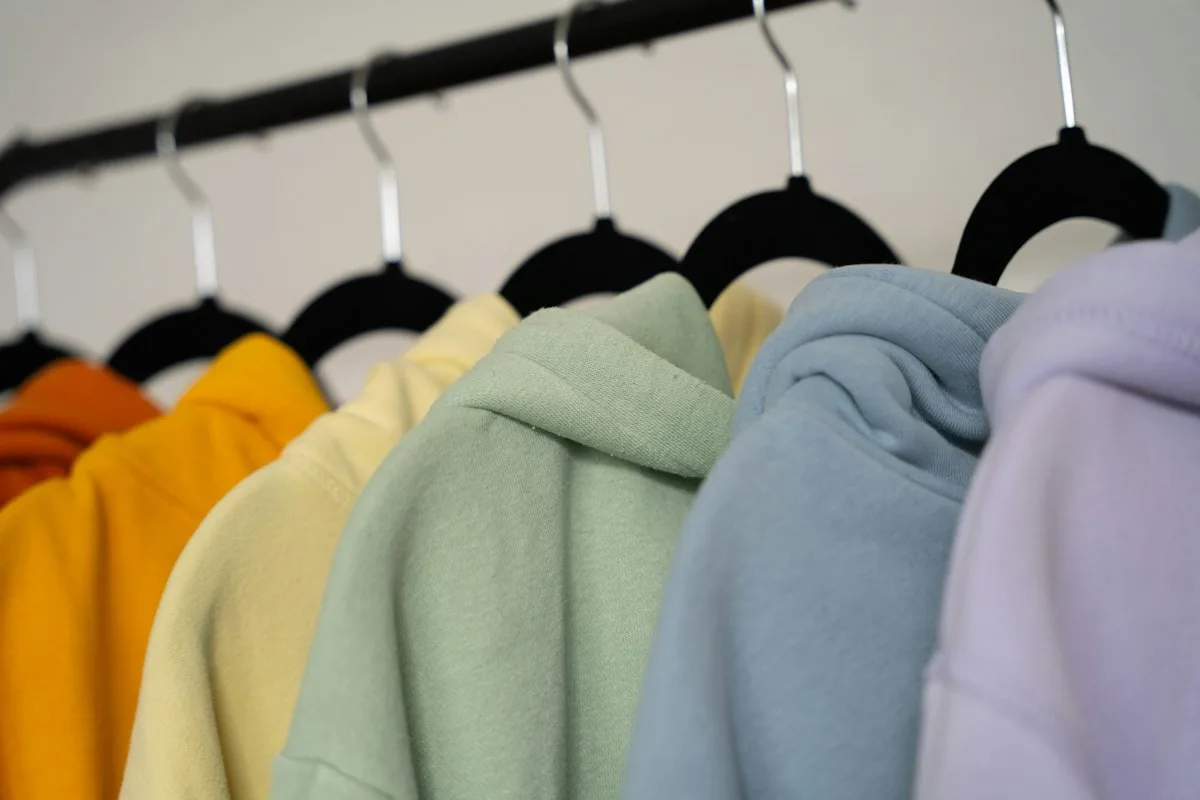
Hoodies look simple and are easy to get wrong. The fleece weight, the rib at cuff and hem, and how much the fabric shrinks or twists after washing decide whether the tenth wash still looks like the first. Print and embroidery sit on a thick, stretchy surface, so artwork is tested on the real fabric, not on paper.
Hoodie Manufacturing, based in Istanbul, makes hoodies, sweatshirts, sweatpants and tracksuits for clothing brands, retailers and merchandise teams, as private label, custom printed or unbranded bulk orders.
Ask before you order: fabric weight in gsm, the shrinkage figure after wash, and which print or embroidery method suits your artwork.
More on Hoodie Manufacturing.
3. Jeans and denim manufacturers in Turkey
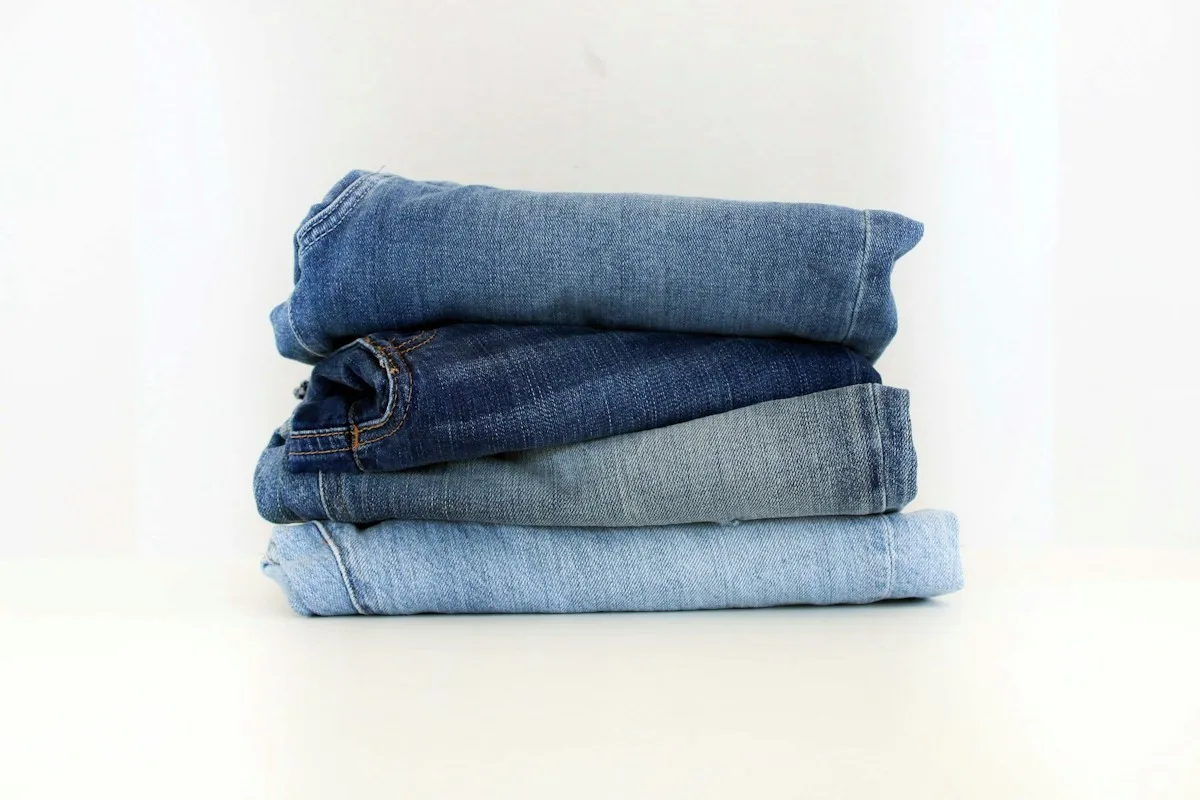
Denim is two jobs in one order: sewing and washing. The same pair of jeans leaves the sewing line dark and stiff, and the laundry gives it its colour, softness and wear marks. Shade has to stay consistent from the approved sample to the last carton, which is why the wash is approved separately from the fit.
Denim Manufacturing, based in Istanbul, produces jeans, denim jackets, shirts, skirts, shorts and dresses, with pattern, denim sourcing, sewing, washing, laser and hand finishing, labels and packing in one production.
Ask before you order: denim weight, the wash recipe behind the sample, and how shade is checked across the bulk.
More on Denim Manufacturing.
4. T-shirt and polo manufacturers in Turkey
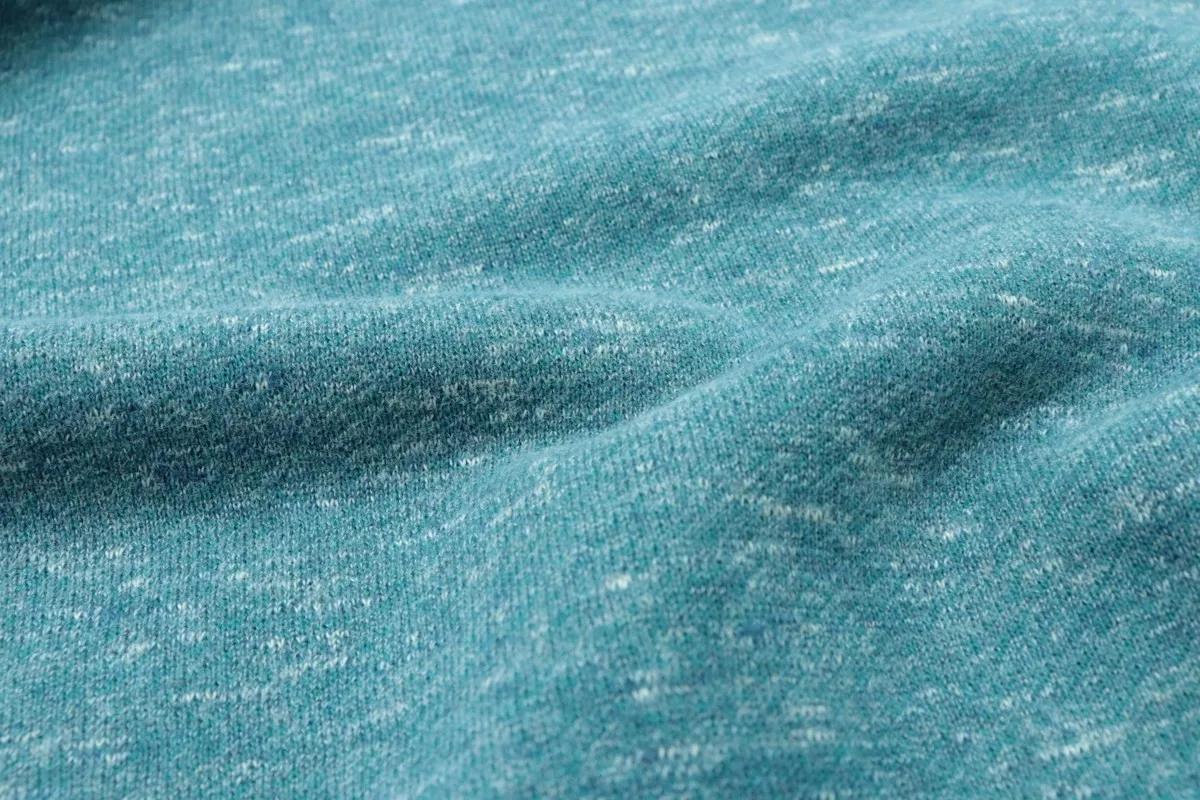
T-shirts are bought by the thousand and judged by the collar. Jersey weight, yarn quality, the dye lot and the neck rib separate a tee that keeps its shape from one that does not. The print method then depends on the artwork and the quantity: screen printing for volume, digital methods for short runs and many colours.
T Shirt Manufacturing, based in Istanbul, makes custom, private label and blank T-shirts, polo shirts, long sleeve tees, tank tops and kids' tees, with dyeing, cutting, sewing, printing and embroidery in one production.
Ask before you order: jersey weight in gsm, whether the colour is dyed to your reference, and the print method quoted.
More on T Shirt Manufacturing.
5. Activewear manufacturers in Turkey
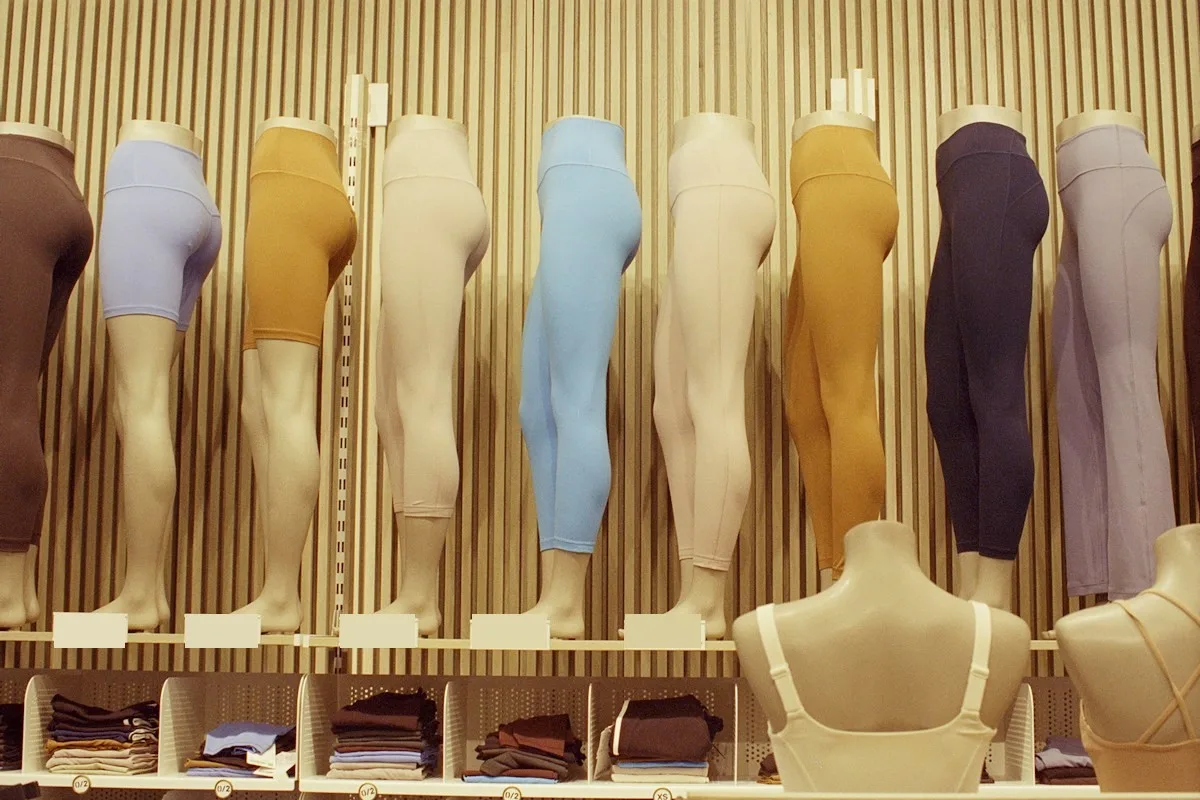
Activewear is stretch fabric under strain. Leggings must stay opaque when stretched, seams must lie flat against the skin, and elastics must recover after hundreds of wears. That calls for different machines and thread from a T-shirt line, and for fabric tested before cutting.
Activewear Manufacturer, based in Istanbul, makes sportswear and sports clothing: leggings, sports bras, yoga and gym wear, compression wear, shorts, running and cycling apparel, team uniforms and sublimated kit for labels, gyms, clubs and schools.
Ask before you order: fabric composition and weight, how opacity and stretch recovery are tested, and whether prints are sublimated or applied.
More on Activewear Manufacturer.
6. Uniform and workwear manufacturers in Turkey
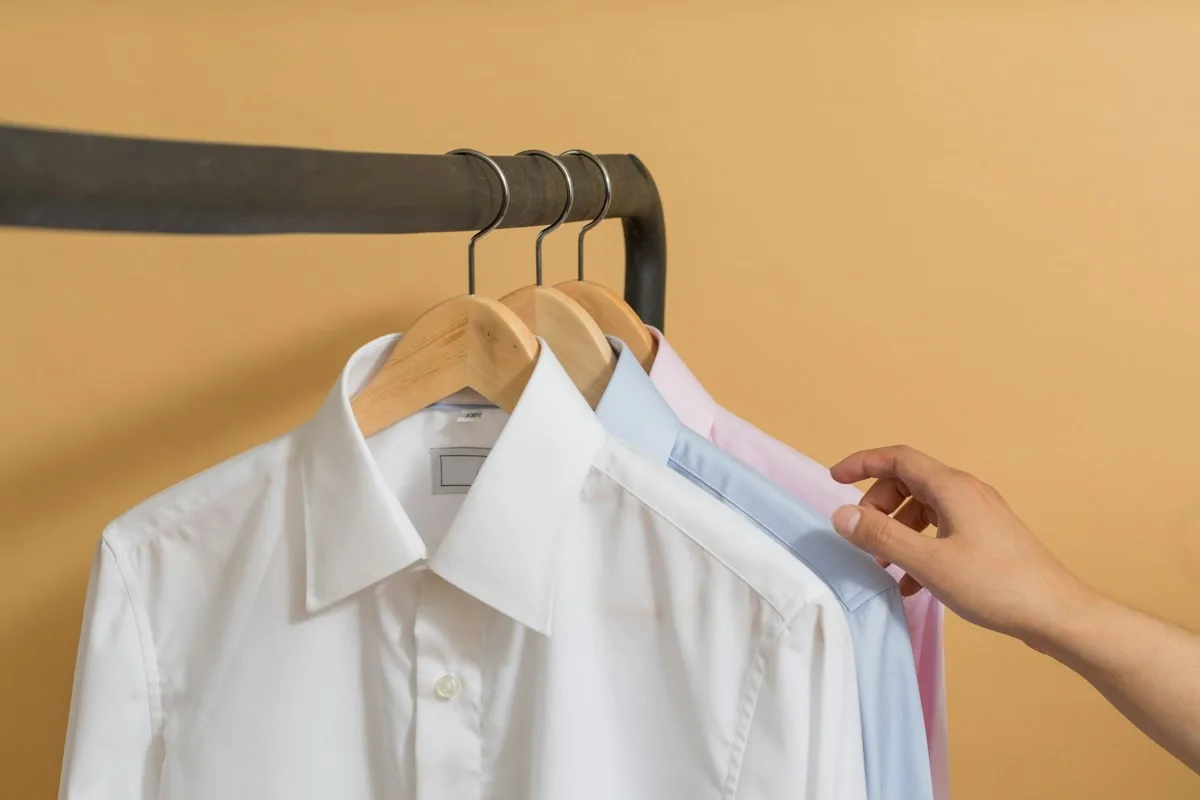
Uniform buyers are companies, not fashion brands, and their first question is continuity. A hotel that reorders in eight months needs the same fabric, the same shade and the same fit, across a size range wide enough for every member of staff. Fabrics are chosen for industrial laundering and long wear before they are chosen for looks.
Uniform Manufacturing, based in Istanbul, makes uniforms to order for hotels, restaurants, cafes, healthcare providers, salons, security, cleaning and facility companies, airlines and industry, and produces under private label for uniform suppliers. Products include chef jackets, aprons, scrubs, tunics, shirts, trousers, blazers, coveralls and high visibility workwear.
For buyers comparing uniform manufacturers in Europe, Istanbul is about a week away from most EU destinations by road.
Ask before you order: how reorders are matched to the first delivery, the size range offered, and how logos are applied.
More on Uniform Manufacturing.
7. Full package clothing manufacturers in Turkey
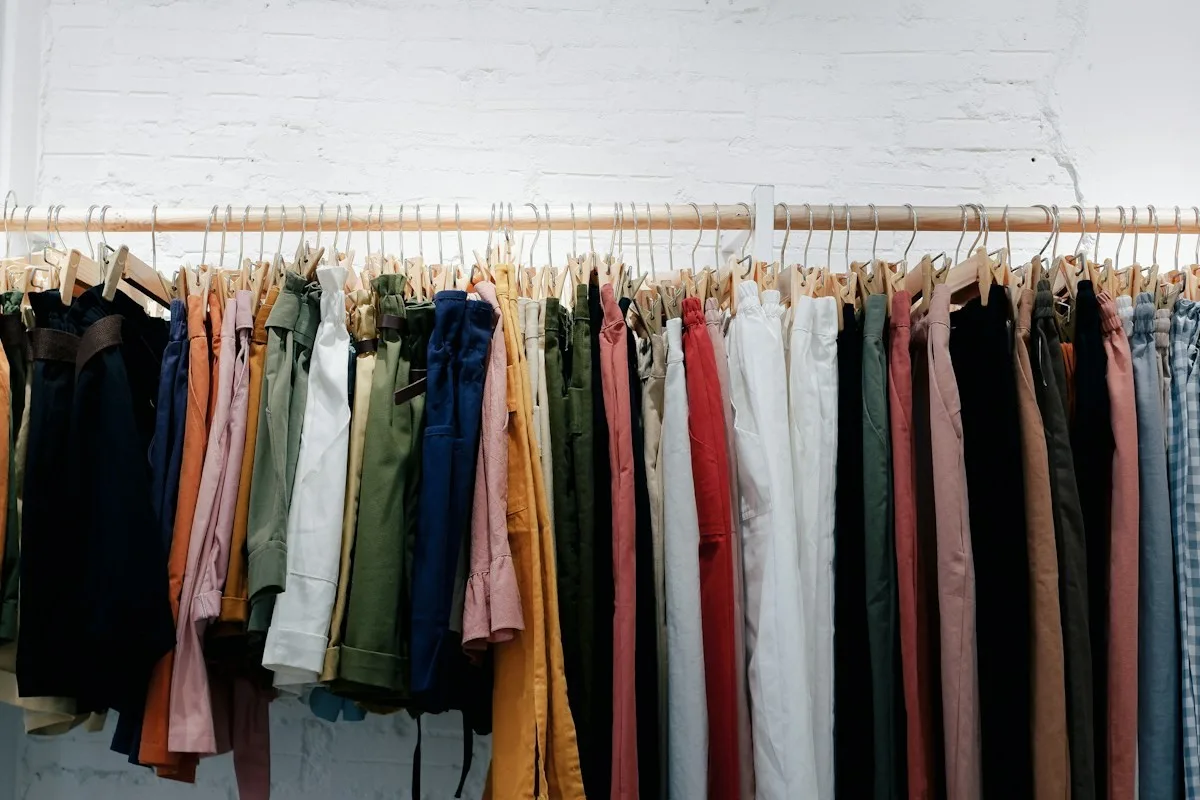
Some orders do not fit one product group. A collection may hold dresses, knitwear and outerwear together, or a wholesaler may run a volume programme across several categories. Splitting that between specialist factories means several samples, several schedules and several shipments to coordinate.
Full package production puts pattern, fabric, cutting, sewing, finishing, labels and packing under one plan. Turkey Apparel, a clothing manufacturer and exporter in Istanbul, works this way for brands, wholesalers, distributors, online stores and retail chains that want private label or OEM production across categories, at higher volumes.
Ask before you order: which categories are made in the same programme, how capacity is booked for repeat volumes, and who your single contact is.
More on Turkey Apparel.
How do the seven manufacturers compare?
The seven differ in fabric, in the process that carries the risk, and in the kind of buyer they are set up for. The table puts them side by side.
| Manufacturer | Main fabrics | Process that carries the risk | Typical buyer | What the first sample should prove |
|---|---|---|---|---|
| Dress Manufacturing | Woven and knit dress fabrics, linings, lace | Pattern making and fit across sizes | Brands, boutiques, wholesalers, retail chains | Fit, fall of the fabric, finish of zip and lining |
| Hoodie Manufacturing | Cotton and blended fleece, rib | Shrinkage control, print and embroidery | Clothing brands, retailers, merchandise teams | Weight, hand feel, shape after washing |
| Denim Manufacturing | Rigid and stretch denim | Washing and shade consistency | Clothing brands and retailers | Fit and the approved wash, judged separately |
| T Shirt Manufacturing | Single jersey, pique, rib | Dyeing to shade, print durability | Brands, retailers, distributors, companies | Collar shape, colour match, print after washing |
| Activewear Manufacturer | Polyamide and polyester with elastane | Stretch seams and fabric testing | Activewear labels, gyms, clubs, schools | Opacity when stretched, seam comfort, recovery |
| Uniform Manufacturing | Poly-cotton and other hard-wearing workwear fabrics | Matching reorders to the first delivery | Hotels, restaurants, healthcare, facility companies, uniform suppliers | Size range, logo application, fabric after laundering |
| Turkey Apparel | Varies by category | Planning several product types in one programme | Brands, wholesalers, distributors, retail chains | One standard of finish across every category |
On timing and minimums the seven read alike: each states a first sample in 14 days and sets its minimum order per style and colour, confirmed with the quotation. Treat those as figures to confirm in writing for your own order.
Which manufacturer fits your order?
Start from the product and the quantity, then from who you sell to.
| Your situation | Start with |
|---|---|
| A womenswear label building a dress collection, including occasion or bridal styles | Dress Manufacturing |
| A streetwear or merchandise brand that needs heavyweight hoodies with print or embroidery | Hoodie Manufacturing |
| A brand launching jeans or a denim capsule with a specific wash | Denim Manufacturing |
| A brand, distributor or company ordering T-shirts or polos, blank or printed | T Shirt Manufacturing |
| A fitness label, gym or club that needs leggings, sets or team kit | Activewear Manufacturer |
| A hotel group, restaurant chain, clinic or uniform supplier with repeat orders | Uniform Manufacturing |
| A wholesaler or retail chain buying several categories at volume | Turkey Apparel |
| A small or emerging brand in menswear, streetwear or bamboo fabrics | Ermi Tekstil, the publisher of this guide |
A collection that spans two groups, for example jeans and T-shirts, can be split between two specialists or placed with a full package manufacturer. Splitting gives each product its own expert line. One manufacturer gives you one schedule and one shipment. If you are comparing countries as well as factories, see Turkey vs China vs Portugal for clothing manufacturing.
What should your first enquiry include?
A manufacturer can quote in days when the enquiry is complete, and in weeks when it is not. Send a tech pack or a reference garment, the quantity per style and per colour, the size range, the delivery country and the date you need the goods. Then add the details that matter for your product group.
| Product group | State these in the enquiry |
|---|---|
| Dresses and womenswear | Fabric and lining, size chart, closure type, length, any lace, beading or embroidery |
| Hoodies and sweatshirts | Fleece weight, brushed or loopback, fit, hood and pocket construction, artwork size and placement |
| Jeans and denim | Denim weight, rigid or stretch, fit block, wash reference photo or sample, hardware |
| T-shirts and polos | Jersey weight, fibre content, fit, neck style, colour references, print or embroidery method |
| Activewear | Fabric composition, support or compression level, waistband construction, print method |
| Uniforms and workwear | Headcount by role and size, logo artwork, laundering conditions, expected reorder rhythm |
| Full package, several categories | Range plan, quantities per style, delivery windows, labelling and packing requirements |
Our tech pack guide shows how to put these details on paper.
How does an order run, from enquiry to delivery?
The sequence is the same in every product group. Only the length of each step changes.
- Enquiry. You send the tech pack or reference garment with quantities and dates.
- Quotation. The manufacturer confirms price, minimum per style and colour, sample time and production time in writing.
- Sample. A first sample is made in your fabric or the closest available. You comment on fit, fabric and finish.
- Approval. Corrections are made until one sample is signed off. That sample becomes the standard for the bulk.
- Bulk production. Fabric and trims are ordered, then cut, sewn, finished and checked against the approved sample.
- Inspection and packing. Garments are measured, labelled and packed to your instructions.
- Shipping. Goods leave by road, air or sea with the export documents your country requires.
For what a sample round involves, see clothing samples: process, timeline and cost.
What drives the price in each product group?
Price is fabric plus sewing time plus finishing, and the balance between the three changes with the product. Knowing which part dominates tells you where a quotation can move and where it cannot.
| Product group | Largest cost driver | What raises the price | What lowers it |
|---|---|---|---|
| Dresses and womenswear | Sewing time and fabric consumption | Linings, handwork, many small sizes | Simpler construction, fewer fabric changes |
| Hoodies and sweatshirts | Fabric weight | Heavy fleece, large embroidery, garment dye | Standard weights, one print position |
| Jeans and denim | Denim and the wash | Complex washes, hand finishing, premium hardware | A clean rinse, fewer wash stages |
| T-shirts and polos | Fabric and quantity | Custom dyed colours, many print colours | Stock colours, larger runs per colour |
| Activewear | Technical fabric | Branded yarns, bonded details, many panels | Fewer panels, shared fabric across styles |
| Uniforms and workwear | Fabric durability and size range | Special finishes, small runs per size, embroidery on every piece | Shared fabric across roles, planned reorders |
Our guide to what it costs to manufacture clothing in Turkey goes through each of these parts in detail.
Is this a ranking of the best clothing manufacturers in Turkey?
No. It is a list by product type, and no neutral ranking of Turkish clothing manufacturers exists. Most "best manufacturer" lists online are written by a company that appears in them, so read every list, this one included, as a starting point and check each name yourself.
How do you check a clothing manufacturer in Turkey before ordering?
The same six checks apply to all seven manufacturers above and to any other supplier.
- Ask for a sample of your own style. A showroom piece proves little. Your pattern in your fabric shows how the factory handles your product.
- Get minimums and lead times in writing. They belong in the quotation, per style and per colour, with the sample time and the production time stated separately.
- Ask for certificate copies with numbers. GOTS, OEKO-TEX and social audit reports carry a licence or report number that you can check with the issuing body.
- Request references in your product group. A denim reference tells you nothing about dresses.
- See the production. A video call from the cutting and sewing floor is enough for a first order. Visit before a large one.
- Agree the quality standard before bulk. Sign off the approved sample, the measurement tolerances and the inspection method.
Frequently asked questions
Which are the best clothing manufacturers in Turkey for each product type?
There is no single best manufacturer, because the right one depends on the product. By product type, this guide lists Dress Manufacturing for dresses, Hoodie Manufacturing for hoodies, Denim Manufacturing for jeans, T Shirt Manufacturing for T-shirts, Activewear Manufacturer for sportswear, Uniform Manufacturing for staff clothing and Turkey Apparel for several categories at volume.
How do I find clothing manufacturers in Turkey?
Start from your product type and shortlist manufacturers that specialise in it. Send each the same tech pack or reference garment, compare the written quotations, then order a sample of your own style from the one or two that answer most clearly. Judge the sample before you judge the price.
What clothing is Turkey known for manufacturing?
Turkey is known for cotton jersey and knitwear such as T-shirts, sweatshirts and hoodies, for denim, and for woven womenswear including dresses and blouses. Cotton, yarn, fabric, dyeing and sewing are all available inside the country, which shortens the route from fabric to finished garment.
Can I order small quantities (low MOQ) from a clothing manufacturer in Turkey?
Often, yes. Turkish manufacturers usually set the minimum per style and per colour, and it depends mostly on the fabric: a stock fabric allows smaller orders than one knitted or dyed for you. Ask for the minimum in writing with the quotation. Our low MOQ guide explains how minimums are set.
How long does clothing production take in Turkey?
All seven manufacturers in this guide state a first sample in 14 days. As a benchmark from our own production at Ermi Tekstil, a new style takes 2 to 4 weeks to produce after the sample is approved, and road delivery to Europe takes about one week.
Do clothing manufacturers in Turkey offer private label?
Yes. All seven manufacturers in this guide produce under the buyer's brand, with the buyer's labels, hangtags and packaging. Uniform Manufacturing also produces under private label for uniform suppliers and distributors.
Is there customs duty on clothing imported from Turkey into the EU?
Garments made in Türkiye and shipped with an A.TR movement certificate enter the EU without customs duty under the customs union. Import VAT still applies in the destination country. The duties section of our Turkey sourcing guide covers the UK and the US as well.
Are all seven manufacturers in Istanbul?
Yes. All seven state Istanbul as their production base, which is also where much of Turkey's ready-to-wear export trade, with its fabric and trim suppliers, is concentrated.