Quick answer: Ermi Tekstil produces clothing in Istanbul with lower-impact materials such as organic cotton, recycled polyester, lyocell and bamboo viscose, in small runs that reduce overproduction. Sustainable clothing production starts with fabric choice and proof: certificates from the fabric supplier, correct fibre labelling, and environmental claims that can be backed up, which EU rules require from 27 September 2026.
What sustainable clothing manufacturing means in practice
Most of a garment's environmental footprint is decided before it reaches the sewing line: by the fibre, the dyeing and finishing, and how many pieces are made. A manufacturer can help in four ways:
- Materials: sourcing certified or lower-impact fabrics and trims that match your design.
- Quantities: producing small first runs and reorders instead of large speculative orders.
- Waste: planning markers to cut efficiently and reusing usable offcuts where possible.
- Documentation: keeping the certificates and records you need to support your claims.
Lower-impact materials we source
| Material | What it is | Certificates to ask for |
|---|---|---|
| Organic cotton | Cotton grown without synthetic pesticides and fertilisers | GOTS or OCS for the fabric |
| Recycled polyester | Polyester made from recycled material, often PET bottles | GRS or RCS for the fabric |
| Recycled cotton blends | Cotton fibre recovered from textile waste, blended for strength | GRS or RCS for the fabric |
| Lyocell | Regenerated cellulose fibre made in a largely closed solvent loop | Fibre producer documentation; FSC for the wood source |
| Bamboo viscose | Regenerated fibre from bamboo pulp, labelled as viscose | OEKO-TEX STANDARD 100; FSC for the pulp |
| Linen | Flax fibre that needs relatively little irrigation | OEKO-TEX STANDARD 100; European Flax where claimed |
Availability depends on colour, weight and quantity. We show you the options with the quotation and ask for your approval before production.
Certificates: what they cover and what they do not
Certificates are issued to companies and to products at specific stages of the supply chain. Reading them correctly saves expensive mistakes:
- Fabric certificates prove that the fabric meets a standard. They let you describe the material accurately, for example "made with organic cotton", when the supporting documents are in place.
- Product labels such as GOTS can only be applied by a certified company. Under GOTS, all processors and manufacturers in the supply chain must be certified; using GOTS-certified fabric alone does not allow a GOTS logo on the finished garment.
- OEKO-TEX STANDARD 100 covers testing for harmful substances, not organic or recycled content.
- Verification: always check certificate numbers in the issuing body's public database, and keep copies for each order.
If you need a certified finished product, tell us at the start so we can confirm what is possible for your order before sampling.
Environmental claims in the EU from 27 September 2026
Directive (EU) 2024/825 on empowering consumers for the green transition applies from 27 September 2026. In short:
- Generic claims such as "eco-friendly" or "green" are not allowed unless they are based on recognised excellent environmental performance, or the specific benefit is stated in the same communication.
- Sustainability labels must be based on a certification scheme or established by a public authority.
For a fashion brand this means: name the specific benefit ("made with 100% recycled polyester") and keep the evidence. Fibre composition labels must still use the fibre names of Regulation (EU) No 1007/2011.
How small runs reduce waste
Overproduction is one of fashion's biggest sources of waste. Low minimum order quantities let you produce closer to real demand: launch a style in a small first run, measure sales, and reorder what sells. Because goods travel from Istanbul to most of Europe by road, reorders can arrive while a style is still selling. Our MOQ guide explains how to plan a small first order.
How we produce a lower-impact collection
- Brief. You share designs, target materials and any certification you need.
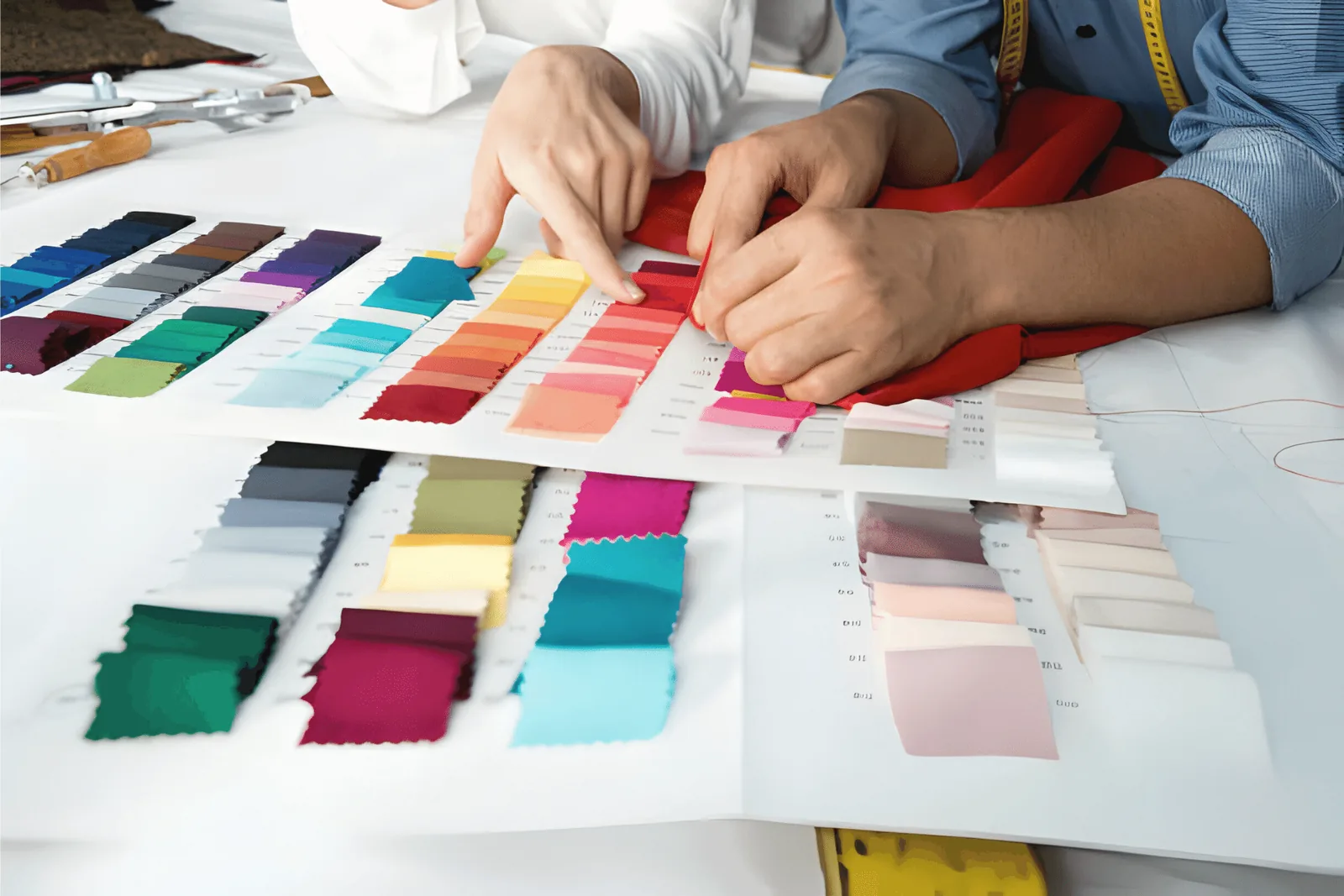
- Material options. We source suitable fabrics and trims and collect the supplier documents.
- Quotation and sample. You receive an estimated price and a sample in the chosen or closest available fabric.
- Approval. Materials, colours, sizes and labelling are fixed in the bulk order form.
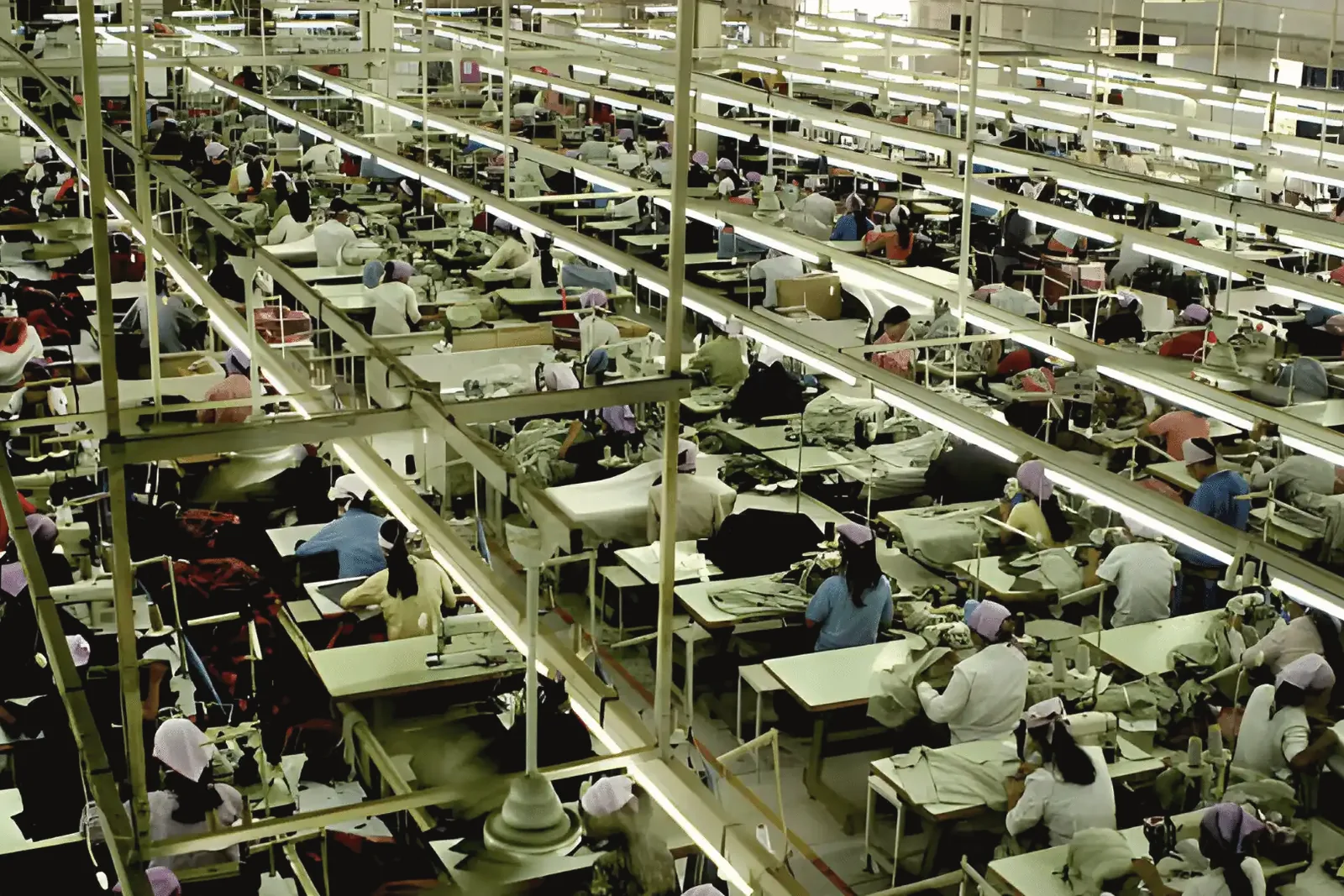
- Production and quality control. Cutting is planned to use fabric efficiently; garments are inspected before packing.
- Packaging and shipping. Packed to your specification and shipped through our contracted agent or your forwarder.
The standard steps are shown on our production process page, and we produce under your brand as a private label clothing manufacturer.
Sustainable dresses, womenswear and basics
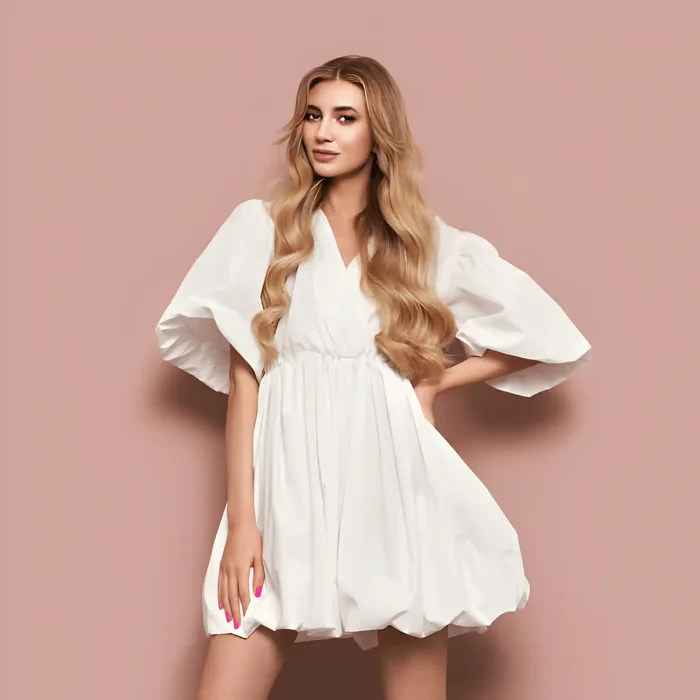
Lower-impact fabrics suit most of what we make: dresses in lyocell or organic cotton, womenswear in linen and viscose alternatives, T-shirts and hoodies in organic or recycled cotton blends, and bamboo jersey basics. For the wider picture of producing in Turkey, see our guide to clothing manufacturers in Turkey.
Frequently asked questions
Can you produce clothing with organic cotton or recycled fabrics?
Yes. We source organic cotton, recycled polyester, recycled cotton blends, lyocell, bamboo viscose and linen, subject to availability for your colour, weight and quantity, and collect the supplier documents for your order.
Can my garments carry the GOTS logo?
Only if every processor and manufacturer in the chain, including the garment maker, is GOTS certified. Using GOTS-certified fabric alone does not allow the GOTS logo on the finished product. Tell us at the start if you need a certified finished product.
Can I call my clothing "eco-friendly" in the EU?
From 27 September 2026, Directive (EU) 2024/825 does not allow generic claims such as "eco-friendly" unless they are based on recognised excellent environmental performance or the specific benefit is stated. Name the specific benefit and keep the evidence.
Is a sustainable collection more expensive to produce?
Certified and recycled fabrics usually cost more per metre than conventional equivalents, and some have higher mill minimums. Producing smaller runs closer to demand can offset part of that cost by reducing unsold stock.
What is the minimum order for sustainable fabrics?
We agree minimums per style and colour and confirm them in writing with your quotation. Certified fabrics in stock allow small runs; custom colours carry the mill's own minimum.